General Contracting
Coordinating trades, scope, schedule and site realities into one accountable delivery process.
Question 01 / General contracting
TDL combines hands-on construction and project management experience with TDL-Task-Engine, a connected operating platform designed around the way real projects move.
Construction foundation
The work starts long before the build and continues long after the drawings are issued. We understand the handoffs, decisions, documents and financial controls because we have managed them from inside the project.
Coordinating trades, scope, schedule and site realities into one accountable delivery process.
Turning complex information into clear decisions across budgets, contracts, communication and progress.
Translating field-tested workflows into practical tools that keep every participant working from the same truth.
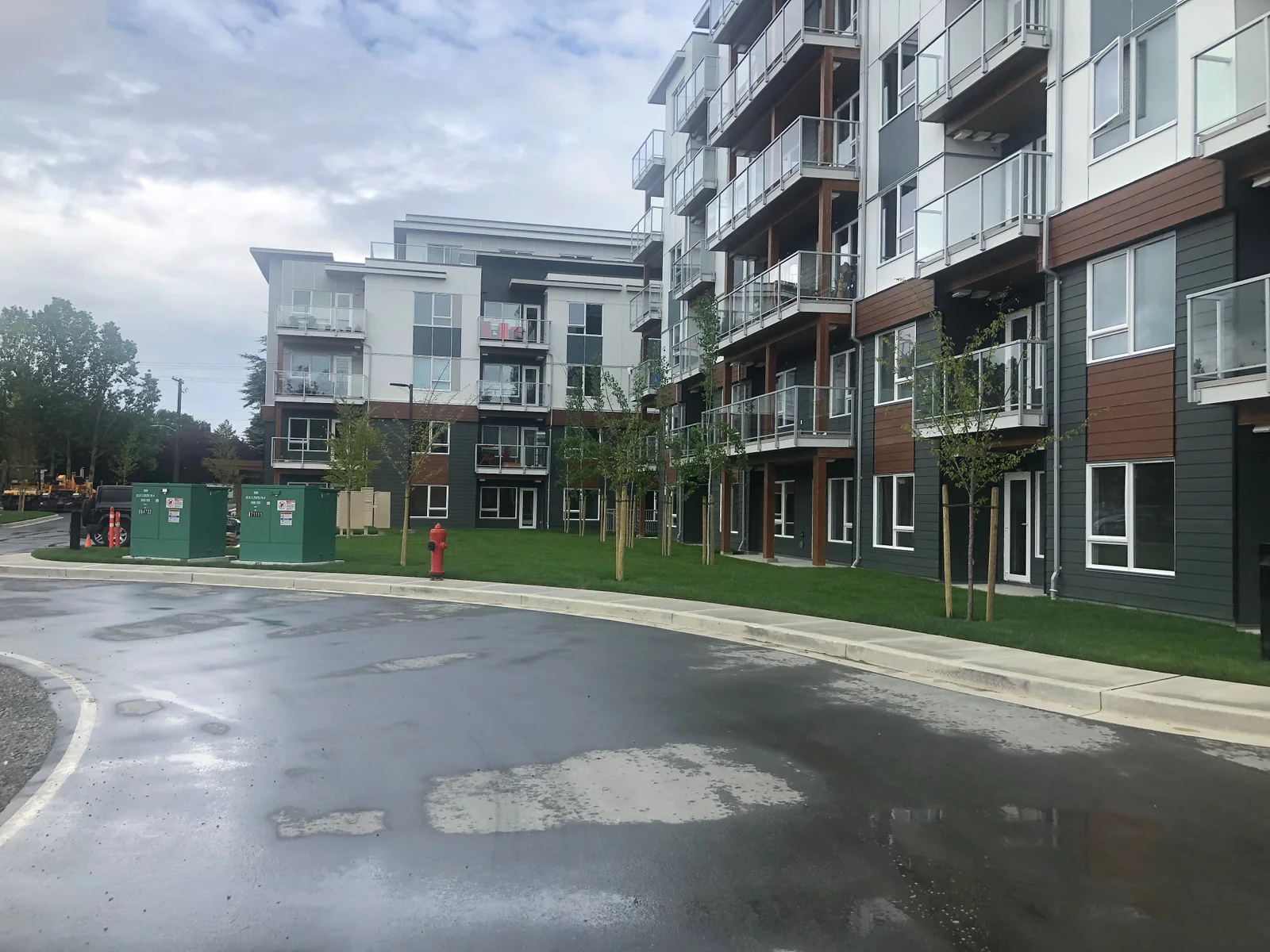
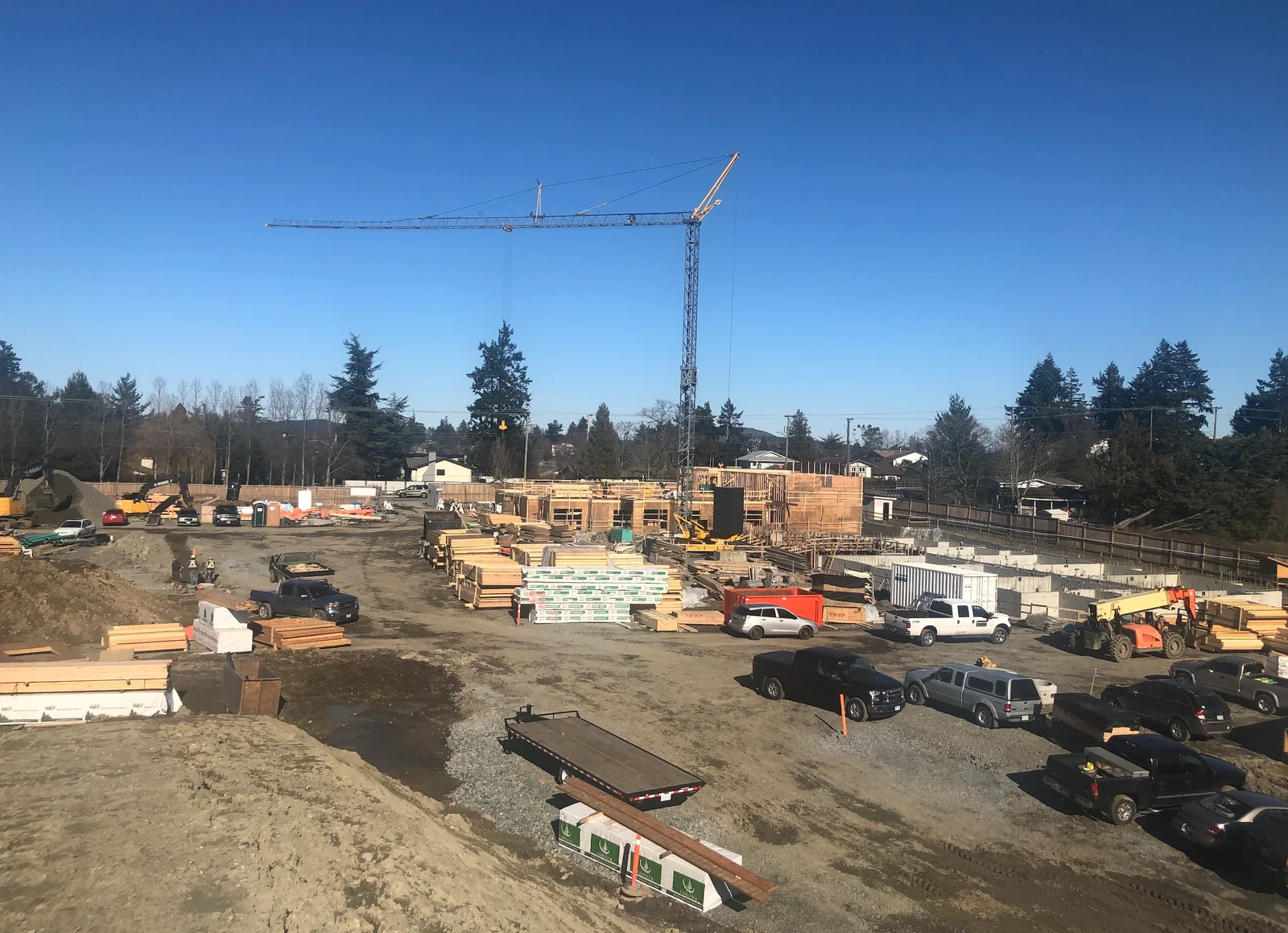
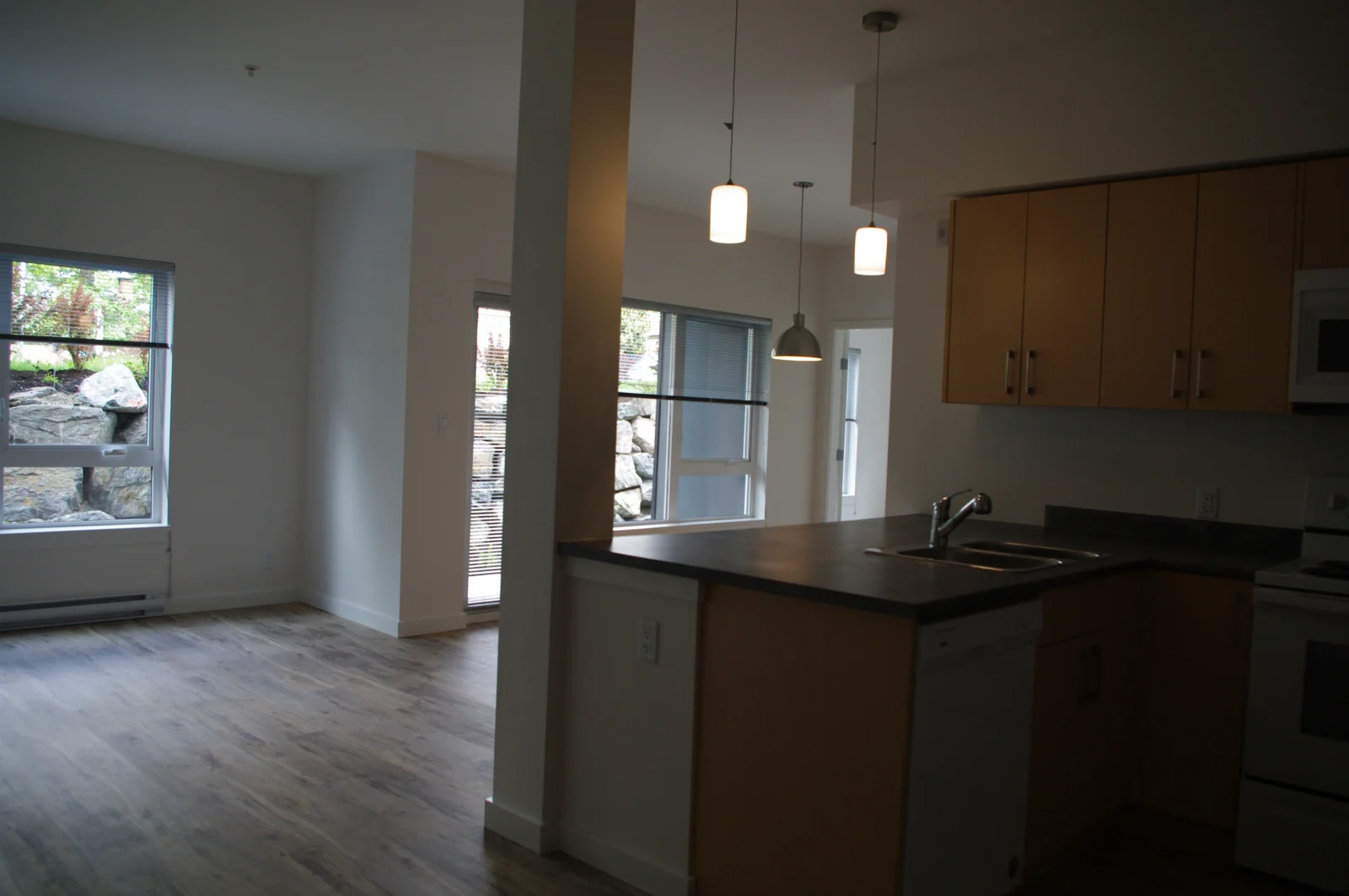
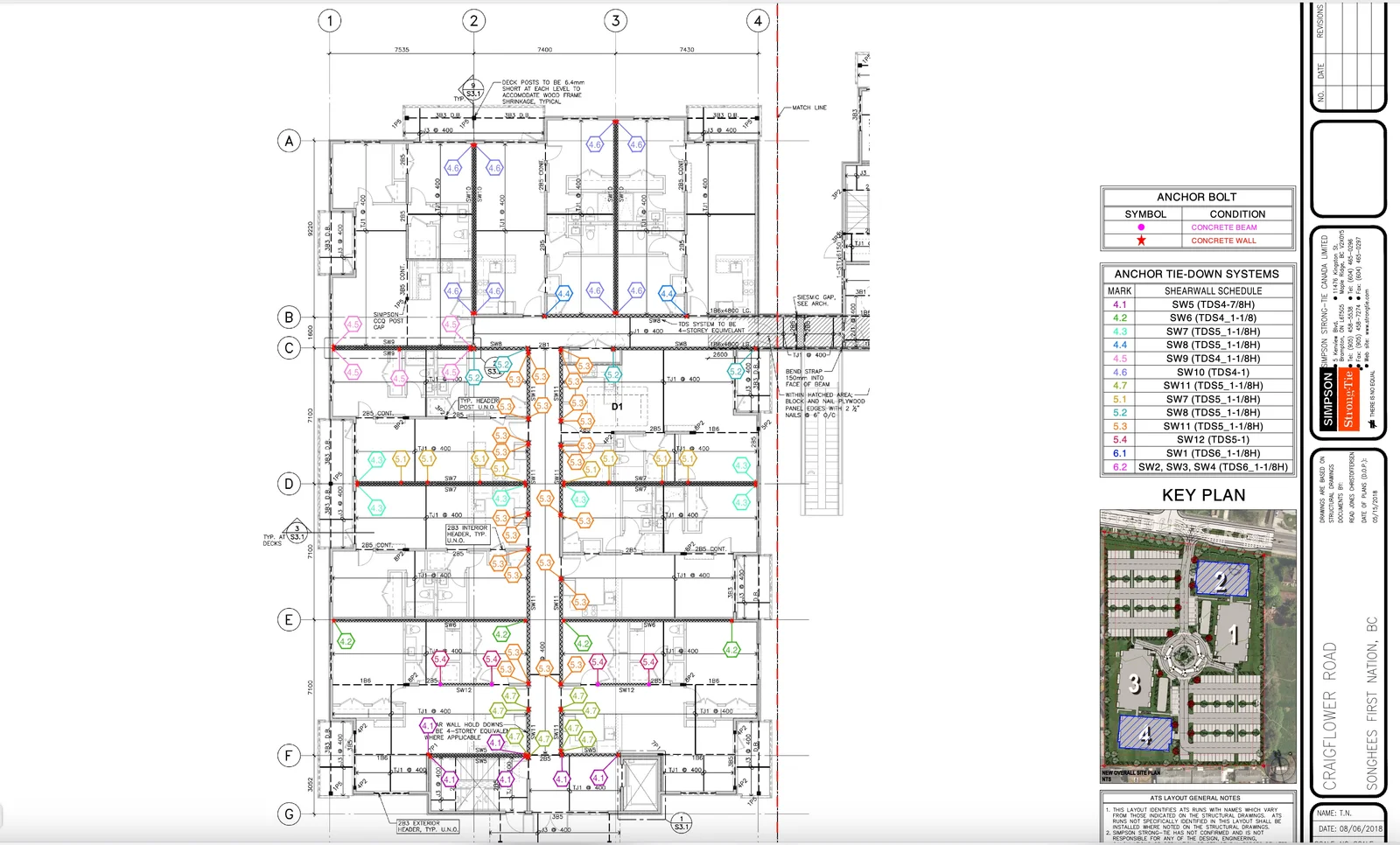
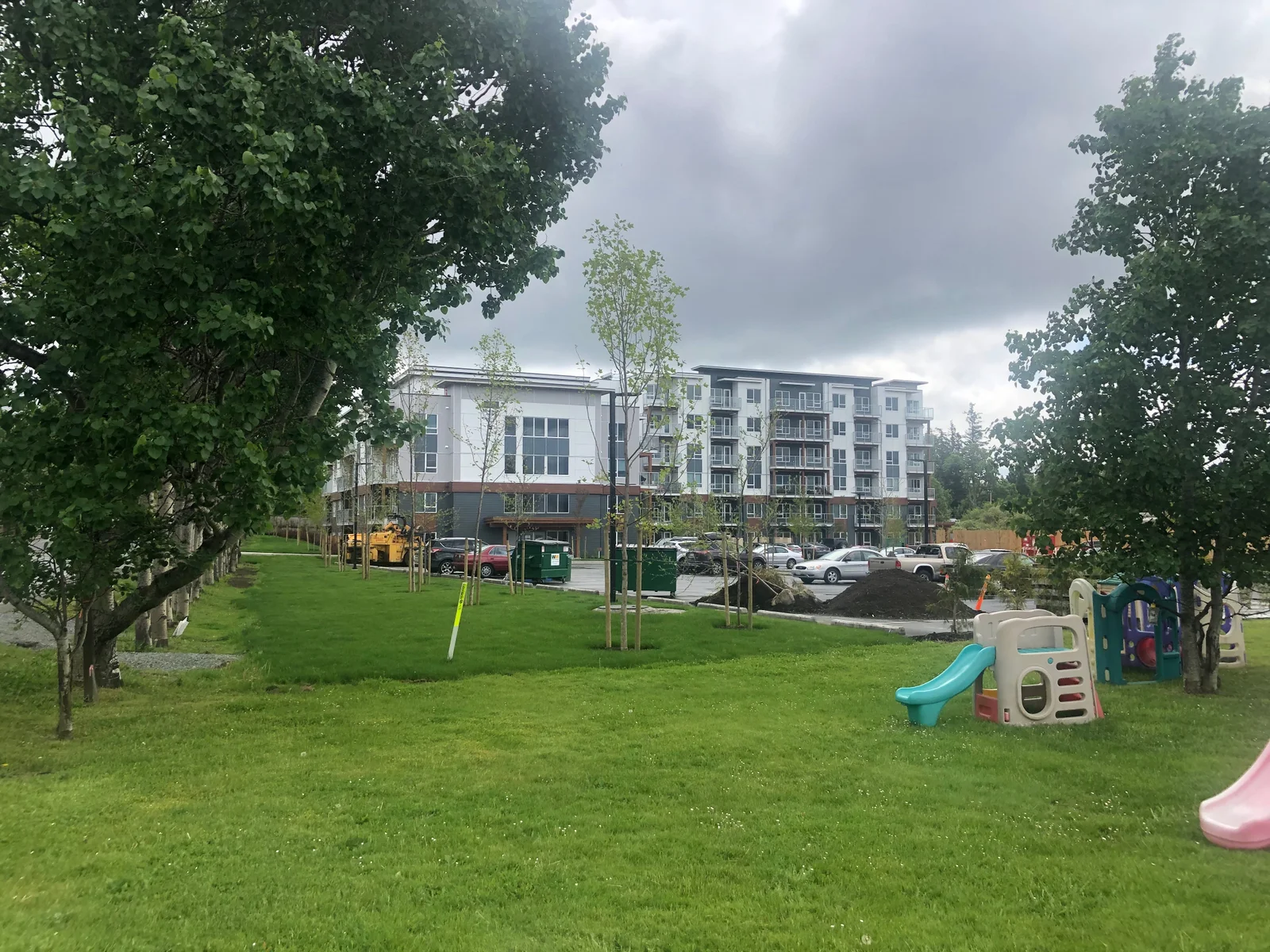
Victoria, British Columbia
TDL subcontracted under Modev Corporation for Phase 1, providing:
Question 02 / The system
The Intelligent Task Engine is the organizing structure behind TDL-Task-Engine. It gives every piece of work a connected record for its scope, documents, schedule, cost, supplier activity, communication and progress.
As the project advances, that record advances with it. Information gathered during planning remains available when pricing is confirmed, contracts are awarded and work moves into active delivery. Decisions stay attached to their context instead of being scattered across separate systems and disconnected handoffs.
This continuity is what makes the process useful. It gives project teams a clear operating path while creating the reliable project history needed for better reporting, stronger decisions and practical intelligence.
The project delivery process
That operating path is organized into three phases. Plan establishes a credible project model. Commit replaces assumptions with market-tested pricing and supplier commitments. Deliver keeps execution, communication and financial control connected through completion and closeout.
Outcome: a clear preliminary scope, schedule, budget and cash-flow plan.
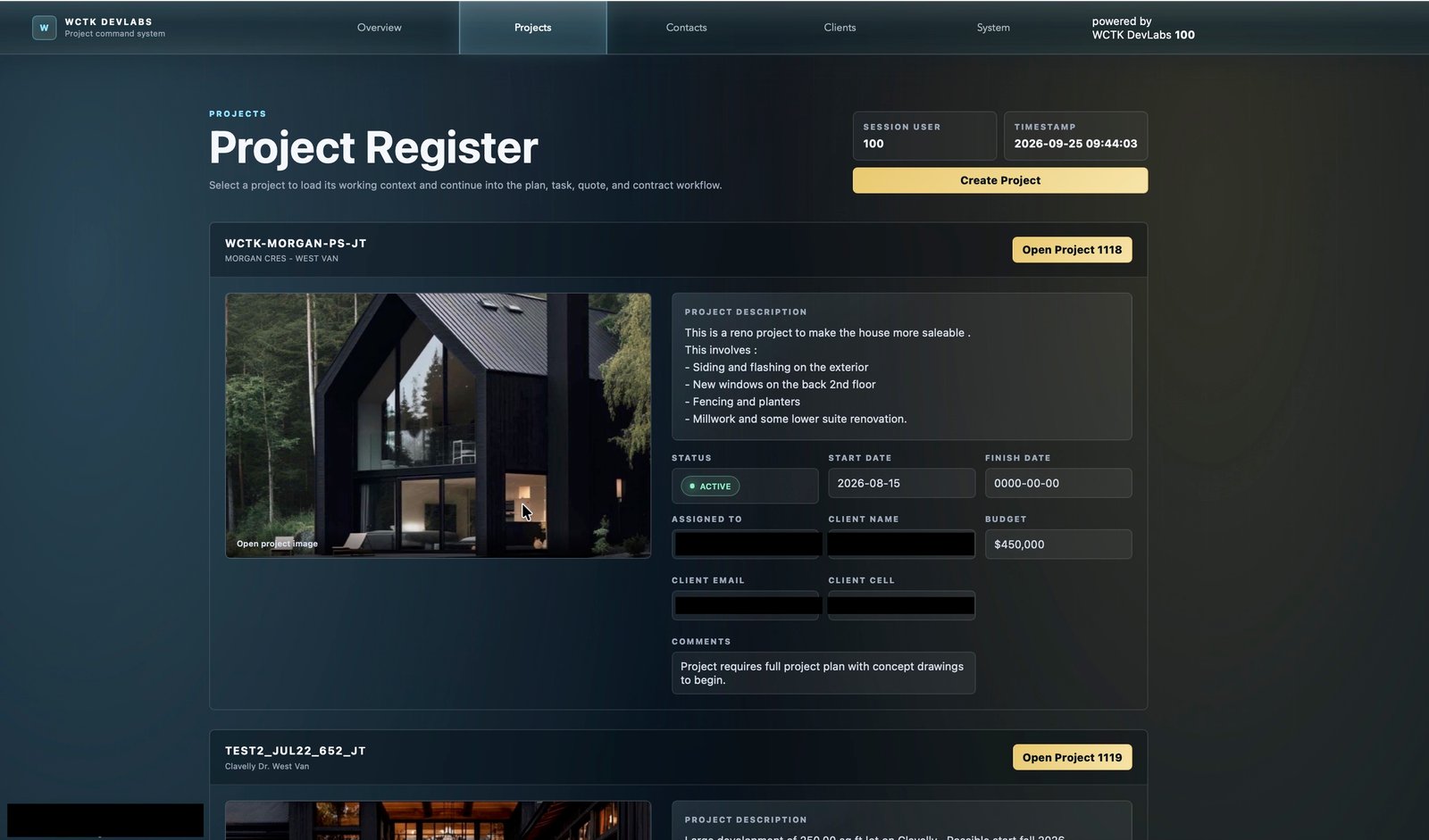
Create the working project record, establish its identity and bring the opportunity into the operating system.
Futures / Applied intelligence
AI is already part of how we develop TDL-Task-Engine. The next step is to bring that intelligence directly into the working experience.
Because the task is the system's central organizing element, it carries an unusually rich context: scope, schedule, cost, supplier activity, documents, communications and project history. That makes it the natural foundation for useful, informed decision support.
Future releases will use that context to surface practical alternatives, identify consequences and help users compare possible paths using live project data, background information and established building practice.
Why this, why now
It needs continuity: a system where the project, task, supplier, commitment and document remain connected as the work advances.
A workflow built around actual project sequence, from project setup through contract administration.
A shared operating context for internal teams, suppliers and clients without exposing the complexity behind it.
A practical foundation for cleaner project data, faster decisions and a more scalable delivery business.
Contact
For construction opportunities, strategic partnerships and investment conversations, reach Tanner Development directly.
jt@tannerdevelopmentltd.ca